
 T8
T8 MK1
MK1 SF6
SF6 GBVSR
GBVSR 2XKO
2XKO SSBU
SSBU T7
T7 DBFZ
DBFZ BH
BH GGST
GGST SC6
SC6 SG2E
SG2E KI
KI MVS
MVS KoFXV
KoFXV MBTL
MBTL SF5
SF5 MK11
MK11
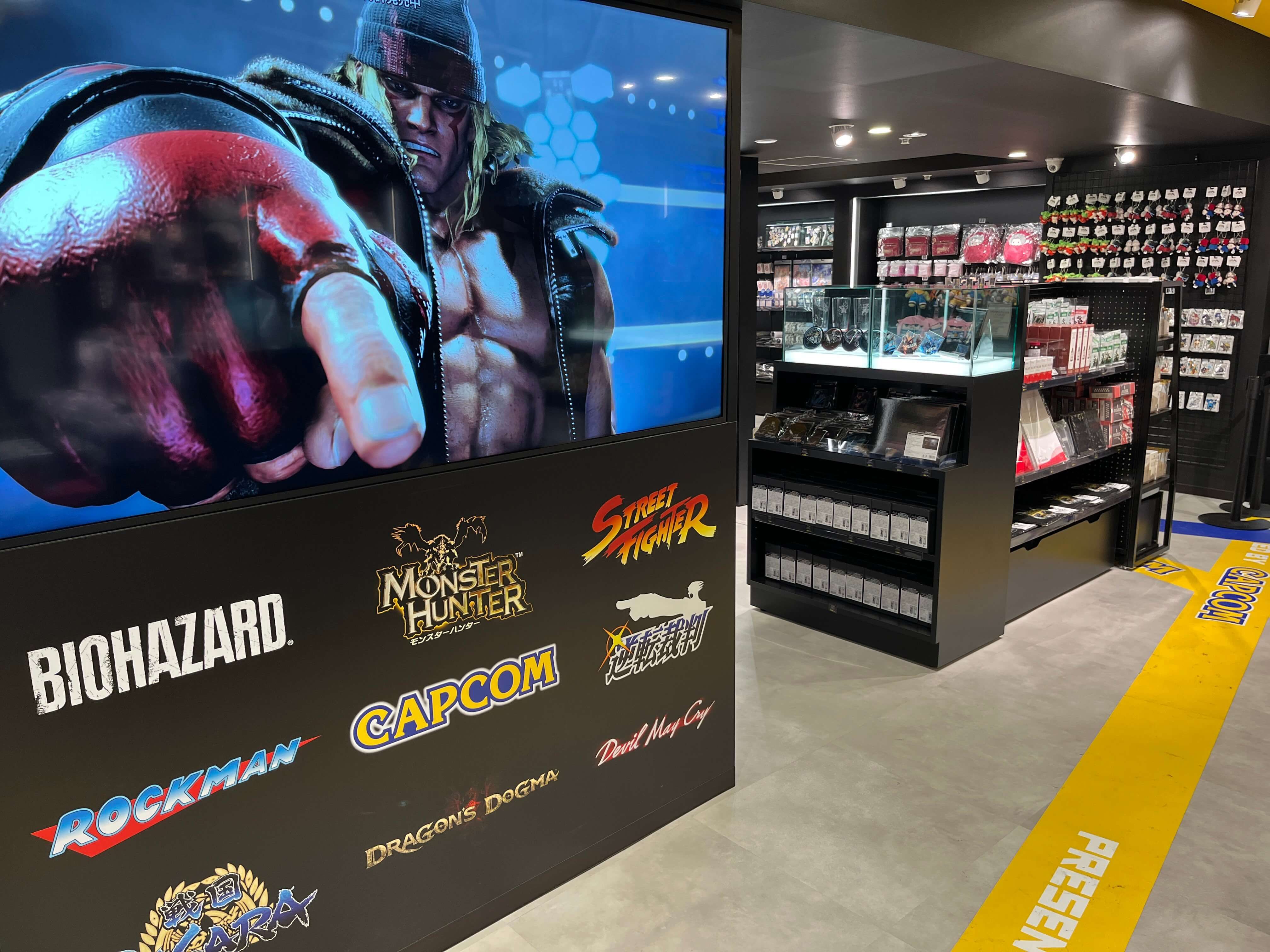
The Electronic Gaming Development Company (EGDC) has raised its stake in Japanese gaming company Capcom from 5.03% to 6.04%, according to a report first published by Japanese outlet Gamebiz. The increase represents a growth in shares held from 26,788,500 to 32,186,900.
EGDC is an investment vehicle operating under the Mohammed bin Salman Foundation, known as MiSK, a Saudi Arabian organization whose gaming and entertainment investments have steadily expanded in recent years. The company's latest move into Capcom builds on an existing position and represents the second disclosed increase in its stake.
A 6.04% holding does not approach the threshold required for a controlling stake in Capcom. However, the incremental nature of the increases has drawn attention from industry observers who note that EGDC's influence in gaming has grown considerably beyond minority shareholding in other cases.
The SNK Precedent
The clearest reference point for what EGDC's growing presence can mean in practice is SNK, the Japanese publisher behind the King of Fighters and Fatal Fury franchises. EGDC holds a 96% controlling stake in SNK, and the development of the most recent Fatal Fury title has been cited by observers as an example of the degree of influence that level of ownership can translate into over a company's creative and strategic direction.
Whether that precedent applies to a minority stake in a company the size of Capcom is a separate question, but it establishes that EGDC's interest in fighting game intellectual property is more than financial.
Saudi Arabia and the Fighting Game Industry
EGDC's Capcom position is the latest development in a broader pattern of Saudi investment in the fighting game ecosystem. The Esports World Cup, held in Saudi Arabia, announced a partnership with the Capcom Pro Tour in 2025, creating a complementary pathway between Capcom Cup performance and EWC qualification. Evo, the longest-running and most prominent fighting game tournament in the world, was acquired by RTS, a company with Saudi backing, with subsequent announcements signaling changes to the event's structure and format.
Taken together, these moves represent a significant and growing Saudi presence across the infrastructure of competitive fighting games , tournaments, publishers, and intellectual property, prompting questions in some parts of the community about long-term governance and the alignment of interests between investors and the players and fans who form the foundation of the ecosystem.