
 T8
T8 SF6
SF6 2XKO
2XKO CotW
CotW GBVSR
GBVSR MK1
MK1 SSBU
SSBU T7
T7 DBFZ
DBFZ BH
BH GGST
GGST SC6
SC6 SG2E
SG2E KI
KI MVS
MVS KoFXV
KoFXV MBTL
MBTL SF5
SF5 MK11
MK11
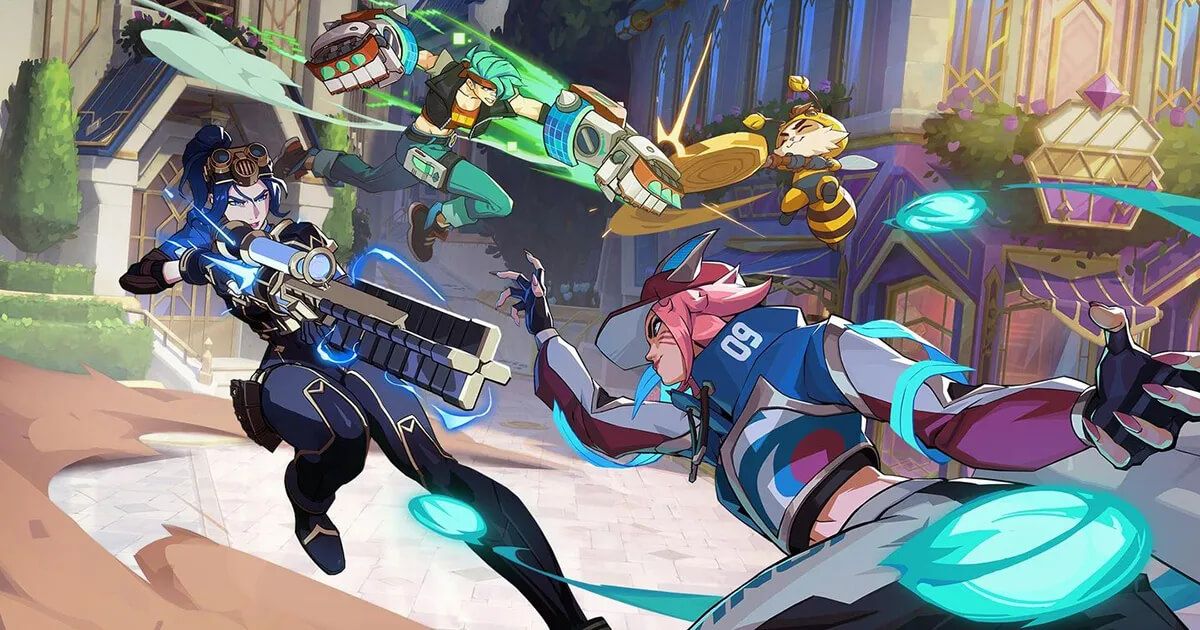
Match point, final round, and you are sitting on a slim life lead with your opponent backed into the corner. You could press with a high-low mixup that wins on the spot, or you could sit back, block, and let the timer run down for a guaranteed win. One option ends the set right now. The other ends it in ten seconds with no chance of a reversal. Most strong players take the boring win every single time, and that one choice says almost everything about how the fighting game community thinks about risk.
Risk and reward is not a vibe in this genre. It is a measurable, trainable mechanic. Every move has a startup, a recovery, and a punish window, which means every decision carries a known cost when it fails and a known payoff when it lands. A solid breakdown of offensive pressure in Mortal Kombat frames it plainly: the real question is always how much danger you are putting your character in against what you stand to gain if the gamble works. Throw an unsafe special on a read and whiff, and you eat a full combo. Bait that same button instead, and you take the round. The math is yours to manage.
That is the part worth sitting with, because it draws a hard line between the kind of risk a fighting game player controls and the kind that sits at the center of games of pure chance. Florida makes a useful test case, a state the FGC knows well from the majors held there, and one where Business Examiner ranks the online casinos players can actually reach.
Read past the rankings, though, and the whole exercise is an audit of numbers the player has no hand in. Slots are graded on return-to-player percentage, the share of wagers a game pays back over a long run, so a 96 percent RTP quietly keeps four cents of every dollar for the operator before anyone touches a button.
Table games carry their own fixed edge, like the jump from 2.70 percent on European roulette to 5.26 percent on the American wheel for the sake of a single extra pocket. Even the welcome offers come bolted to wagering requirements, a 25x or 50x rollover you have to clear before a withdrawal is possible. According to that same guide, every one of those figures is locked in before you sit down, decided by the operator and the math rather than anything you do at the table. You get to pick the game. You do not get to bend the result.
Variance you cannot read
This is where the FGC instinct stops working the second it leaves the lab. A fighting game player wins by reading a human being. You watch habits, you clock the exact range where your opponent always jumps, and you punish the pattern. There is a tell, and tells exist to be exploited.
Random number generation has no tells. A slot result or a card draw is governed by expected value, the long-run average outcome of a bet once every result is weighted by its probability. Over enough repetitions the average asserts itself, and the built-in house edge quietly does the rest. There is no opponent to condition here, no habit to bait, no neutral to win. The read that carries a player into a tournament top eight is worth nothing against a number that does not care what happened on the last spin, the last hand, or the last thousand.
That is why so many competitive players who try casino games on stream get frustrated fast. The skills that define them, the pattern recognition and the in-match adaptation, suddenly have no surface to grip. They are wired for risk that responds. Chance does not respond.
What actually carries over
A few habits do transfer, and they are the unglamorous ones. Bankroll discipline is the clearest. Fighting game players already think in resources: meter, health, the screen position you are willing to trade away for damage. You do not dump your entire defensive meter on a single guess in round one, because you know you will need it later when the pressure is real. The grown-up version of that same instinct, risking only what one loss can comfortably absorb, is exactly what keeps a casual player from burning through a whole night's budget in the first twenty minutes.
Emotional control carries over too. The FGC has a word for the spiral that follows a rough loss: tilt. You drop a close set, you abandon your game plan, you start mashing buttons, and the losses stack up faster than you can think. Anyone who has dragged themselves back from a tilt streak in ranked already understands the single most useful rule in any activity ruled by variance, which is that the moment you start forcing it is the moment to put the controller down.
There is a third habit, quieter than the others: shot selection. The strongest fighting game players are not the ones who attempt the flashiest punish at every opportunity. They are the ones who know which openings are worth taking and which are traps wearing the costume of an opening. That patience, the willingness to pass on a play that looks tempting but does not actually pay, is rare and valuable anywhere outcomes are uncertain. The instinct to wait for a spot where the numbers genuinely sit in your favor, rather than acting because acting feels productive, is most of the gap between a disciplined competitor and a frustrated one in any arena you care to name.
The honest distinction
None of this is an argument that one is smarter than the other. It is a distinction about where the edge actually lives. In a fighting game, the edge lives in you. Put in the lab hours, learn the matchup, read the person sitting across from you, and you tilt the odds in your favor in a way that is real and repeatable. That is the entire appeal of the genre, and it is why a top player beats a newcomer almost every time they share a setup.
In a game of chance, the edge lives in the math, and the math belongs to the house. You can absolutely play smarter, choosing lower-edge games and setting hard limits before you ever start, but you cannot study your way into a long-term advantage the way you can study your way out of a losing matchup. The spinner has no habit to punish and no nerves to rattle.
Maybe that is the cleanest way to keep the two apart. Fighting games reward the player who reads the opponent. Chance rewards no one in particular, which is the whole point of calling it chance. The competitor who really gets that line, who knows which kind of risk answers back and which kind never will, tends to make sharper decisions on both sides of it. They press when there is genuinely an advantage to press, and they recognize the rounds where there was never one to find.