
 T8
T8 SF6
SF6 2XKO
2XKO CotW
CotW GBVSR
GBVSR MK1
MK1 SSBU
SSBU T7
T7 DBFZ
DBFZ BH
BH GGST
GGST SC6
SC6 SG2E
SG2E KI
KI MVS
MVS KoFXV
KoFXV MBTL
MBTL SF5
SF5 MK11
MK11
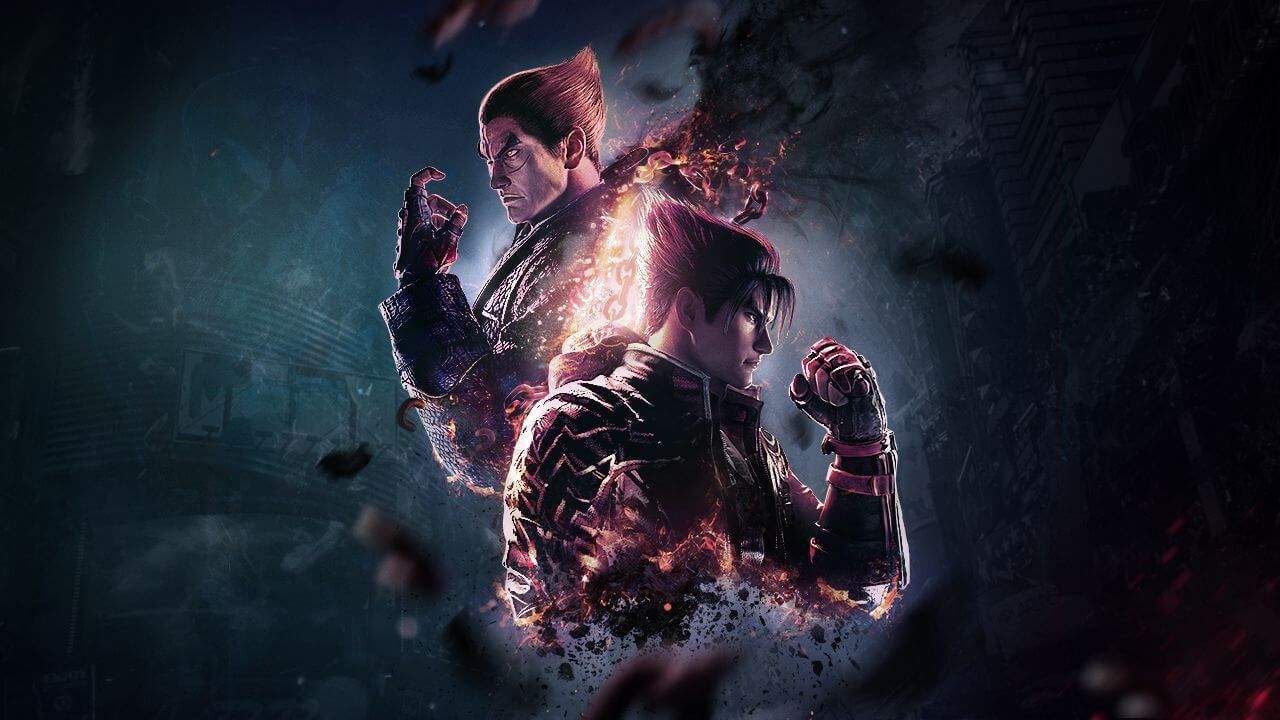
A major Tekken tournament rarely ends when the bracket does.
Anyone who has spent a weekend around the fighting game community knows the pattern. The official matches finish and the venue starts to empty. Yet hours later, somebody is still running a first-to-ten in a hotel room, arguing about a matchup, or trying to prove that the move that looked punishable on stream really was not.
That is part of the appeal of a Tekken weekend. The tournament provides the structure, but some of the best stories begin after the schedule says the day is over.
The Tournament Is Only the Beginning
Tekken 8 is built for dramatic competitive play. Momentum can disappear in seconds, Heat can turn defense into a sudden offensive rush, and one bad read near the wall can make a comfortable lead meaningless.
That intensity makes a major event exhausting in the best way. Players arrive early for pools, spectators move between setups, and everyone seems to know someone who has just been sent to losers.
DashFight’s coverage of Combo Breaker 2026’s Tekken 8 results captures the competitive side of that experience. But placements are only the visible part of a tournament weekend. Once the stations start shutting down, the social side of the FGC takes over.
Hotel Rooms Become Training Rooms
A hotel room with two consoles, several controllers, takeaway food, and too many people can become one of the most useful practice sessions of the weekend.
Players who normally meet only in ranked matchmaking suddenly have hours to play long sets face to face. There is no bracket pressure. Someone can stop after a round and ask what they were supposed to do, while another player demonstrates a punish or recreates a setup.
These late-night Tekken sessions are where matchup knowledge turns into conversation. They are also where strangers become training partners.
Eventually, serious practice gives way to nonsense. Random characters appear. Someone insists on using a secondary they barely know. A first-to-five becomes a first-to-ten because nobody wants to end on a loss.
Then somebody looks at the clock and realizes it is 3 a.m.
Why Nobody Wants the Night to End
Part of the reason is simple: players have traveled too far to go to bed early.
Major fighting game events bring together people who may live in different cities or countries. For months, they see each other through usernames, streams, brackets, and Discord messages. A major finally puts everyone in the same building.
That creates a very particular kind of nightlife. Sometimes the best night is just pizza, Tekken, and six people loudly debating whether a character is actually top tier.
Other groups head out into the city. Bars, arcades, late-night restaurants, and casinos can become extensions of the social experience. Someone curious about gambling might even compare best online casinos from their phone, but that is a very different form of entertainment from the skill-based competition they have spent all day watching.
The distinction matters. Tekken rewards preparation, execution, matchup knowledge, and adaptation. What they can share is the tension of not knowing what happens next.
The Runback Never Really Stops
There may be no phrase more FGC than “run it back.”
Losing a close set creates a specific itch. You remember the dropped combo, the missed punish, and the throw you were certain you broke. Then, a few hours later, the player who eliminated you is sitting nearby with a controller in hand.
That is how a tournament loss becomes a training session.
The result no longer matters as much. Players can test the situations that decided their earlier matches. A painful 0-2 in pools might lead to an hour of practice that changes how someone approaches the matchup for months.
In that sense, the after-hours session is not separate from the tournament. It is part of the learning process.
Spectators Become Players Again
Tournament weekends are not only for professionals.
You can spend the afternoon watching elite players on stage and the evening sitting beside someone who has followed Tekken for years but has never entered a major. The controller gets passed around, and advice arrives whether anyone requested it or not.
That accessibility is part of what gives fighting game events their personality. The game may be brutally competitive, but the community grows through shared setups, casual matches, and conversations that would never happen in an online lobby.
Not everyone wants to play until sunrise, of course. Some people want food, music, an arcade, or a different form of late-night entertainment. Someone browsing the best online casinos after the event may simply be looking for something far removed from frame data, matchup charts, and execution-heavy competition.
Whatever the choice, gambling should remain entertainment rather than a way to recover the cost of a trip. Flights, hotels, tickets, and food already make tournament weekends expensive, so a fixed entertainment budget is the smarter approach.
The Matches End. The Community Does Not.
When people remember great fighting game tournaments, they often start with the obvious moments: a huge upset, an impossible comeback, or a final round that made the room erupt.
But the culture is held together by smaller moments too.
It is the 2 a.m. matchup lesson. The crowded elevator full of arcade sticks. The argument over where to eat. The player who knocked you out showing you why your setup failed. The casual set that somehow becomes more intense than the match you played on stream.
That is the real after-hours side of Tekken. A tournament brings everyone together, and nobody wants to waste the rare opportunity.
The bracket may close at midnight. Tekken rarely does.