
 T8
T8 SF6
SF6 2XKO
2XKO CotW
CotW GBVSR
GBVSR MK1
MK1 SSBU
SSBU T7
T7 DBFZ
DBFZ BH
BH GGST
GGST SC6
SC6 SG2E
SG2E KI
KI MVS
MVS KoFXV
KoFXV MBTL
MBTL SF5
SF5 MK11
MK11
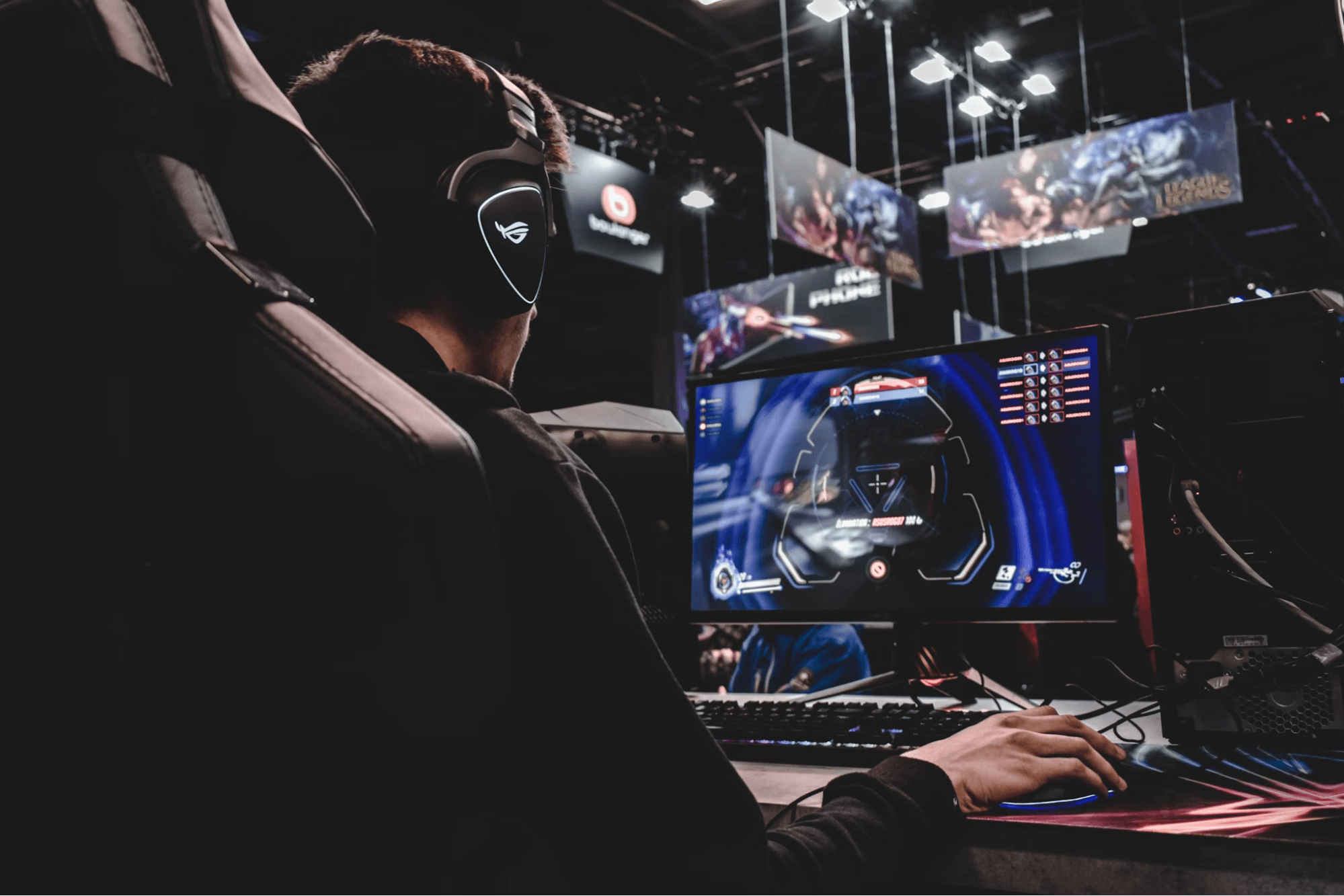
The world of gaming has changed so much in the last few years that it's hard to recognize it. The lines between entertainment and competition have become less clear. No one saw this coming, yet today's gaming world combines skill-based esports with chance-based iGaming.
What precisely is egaming? It includes both competitive esports and interactive gambling games that are built on the same technology. This change is more than just a technological improvement. It shows how players' tastes and business strategies have changed in the world of digital entertainment. The stats tell the story quite well.
The Revenue Revolution Behind Gaming
Gaming revenue streams have grown rapidly in many areas at the same time. In 2022, the igaming industry made more money than ever before. Esports alone brought in $1.38 billion worldwide, a 21.7% rise from the year before. At the same time, the global iGaming market was worth $66.7 billion.
The coming together of the two fields opens up brand-new potential for both. Current igaming trends reveal that esports events now have betting markets worth millions of dollars. iGaming platforms include competitive features that are similar to those seen in professional gaming. Players moving back and forth between the two realms keeps innovation going.
This overlap isn't a mistake. Both industries have the same basic demographics and technology. As a result, traditional media has a hard time keeping up with this new type of entertainment.
Market Expansion and Player Demographics
The gaming audience today is more diverse than ever, with people of all ages and from all over the world. In 2022, 532 million people watched esports, and the average time spent watching went up 8.7% from the previous year. The demographic data shows some interesting trends that go against what people used to think about gaming culture.
There are now professional gaming leagues on six continents, and they all follow the same regulations. Regional championships lead to global tournaments with prize pools worth tens of millions of dollars. At the same time, iGaming companies are using new and creative igaming marketing strategies to enter new markets. Many sites now provide https://casinosanalyzer.com/casino-bonuses/new-players offer that include both regular casino games, creating seamless experiences across different gaming verticals. The crossover attraction keeps both industries growing over time. People who start with competitive gaming often move on to casino-style games later.
This natural evolution produces value over time that traditional entertainment can't match. Modern igaming case studies show how successful operators mix traditional gambling features with competitive ones. Mobile technology and better internet connections speed up geographic expansion. Markets that used to be thought of as specialized are now making a lot of money. Because both industries are worldwide, they don't depend on just one market or location.
Technology Driving Innovation Forward
From many different directions, technical progress is driving the gaming revolution. Advanced igaming technology gets rid of hardware problems that used to keep people from playing. Cloud gaming and streaming technology let players and viewers all over the world communicate with each other in real time.
Digital gaming solutions increasingly use AI to shape how games are made and how players are matched up with each other. Machine learning algorithms change the probability of winning and the brackets for tournaments in real time. Blockchain technology changes the way players experience games by introducing new ways to make money and new ideas about ownership.
Virtual and augmented reality make entertainment experiences that are so genuine that they blur the lines between them. These technologies make both competitive gaming and casino-style games more fun. The end consequence is that players are more involved and sessions last longer on all platforms.
Every year, mobile optimization gets more and more advanced. Experience the new wave of online betting with cross-platform compatibility that ensures seamless experiences on any device without any problems. This accessibility attracts players from various backgrounds and areas, changing the way people interact with digital entertainment.
Professional Gaming Infrastructure
Organizing tournaments has become a billion-dollar business that provides jobs for thousands of people around the world. Major esports tournaments now need igaming infrastructure that is as good as that of traditional sports championships. Partnerships with well-known arenas give venues credibility and scale that draw in big-name sponsors.
Broadcasting technology lets millions of people watch feeds of professional quality at the same time. Commentary teams and production crews meet the requirements of conventional sports. Revenue-sharing arrangements make sure that players, teams, and organizers can all keep growing. This advanced infrastructure supports what many people think are the titans of industry in modern entertainment.
Regulatory Developments Shape Market Growth
The government's recognition of esports as a real sport opens up fresh growth potential. A number of countries now give esports athletes professional athlete visas. Schools and colleges offer scholarships and degree programs that focus on jobs in gaming, which recognizes the titans of industry definition that applies to successful gaming entrepreneurs.
As technology changes and the need to protect players grows, iGaming rules are changing to keep up. New licensing systems find a compromise between new ideas and keeping customers secure. Compliance regulations lead to uniformity in the sector and professional growth in all areas of operations.
Economic Impact Across Multiple Sectors
The boom in gaming has implications on other businesses and the local economy. Hosting events brings in as much money from tourists as big sporting events do. Cities fight for the privilege to host tournaments because they understand what titans of industry meaning encompasses in terms of economic influence.
Key economic indicators suggest that growth is happening in a steady way:
-
Job Creation: Gaming firms hire more than 3 million people around the world, and the industry grows by 15% per year thanks to igaming trends
-
Investment Flow: According to Statista, during the final quarter of 2022, the global gaming industry attracted $3.4 billion in venture capital funding.
-
Infrastructure Development: Building and maintaining new gaming facilities creates jobs in several areas
-
Media Rights: In the igaming industry, broadcasting arrangements for big events are worth more than $500 million a year
-
Merchandising: Sales of gaming-related goods surpassed $4.2 billion around the world, thanks to advanced igaming technology
The expansion of gaming has a big impact on related sectors. Companies that make hardware make customized equipment for professional athletes. Streaming services fight for the right to show exclusive content. Advertising companies come up with marketing plans for games that follow the finest practices in igaming marketing right now.
Sponsorship and Brand Integration
Corporate sponsorship models have changed from just putting logos on things. Brands may now make their own content and experiences in video games. This integration doesn't feel forced to players and viewers; instead, it feels natural and represents successful igaming case examples of authentic participation.
Technology corporations are the biggest sponsors, followed by energy drinks and lifestyle brands. More and more, financial services organizations see gaming audiences as important groups of people. Brand collaborations that are real are what will make or break long-term success in both traditional esports and the larger igaming industry.
Educational and Career Opportunities
Esports programs and degrees relating to gaming are now available at universities all around the world. Students that take these classes can work in game development, running tournaments, and running a business. Partnerships with businesses offer internships and job placement help.
There are more career options in professional gaming than merely playing competitively. People with skills can choose from coaching, analysis, content creation, and business growth. The ecosystem helps people with different skills and talents.
The change from gaming as a hobby to a real business has long-term effects on the economy. Traditional entertainment businesses change by adding gaming features to their products. This sharing of ideas speeds up progress and new ideas in many fields.
The way people throughout the world consume entertainment is still changing because of gaming's growth. Competition, technology, and community come together to make experiences that traditional media can't copy. This convergence is good for both esports and iGaming because it gives them access to more people and ways to make money.