
 T8
T8 MK1
MK1 SF6
SF6 GBVSR
GBVSR 2XKO
2XKO SSBU
SSBU T7
T7 DBFZ
DBFZ BH
BH GGST
GGST SC6
SC6 SG2E
SG2E KI
KI MVS
MVS KoFXV
KoFXV MBTL
MBTL SF5
SF5 MK11
MK11
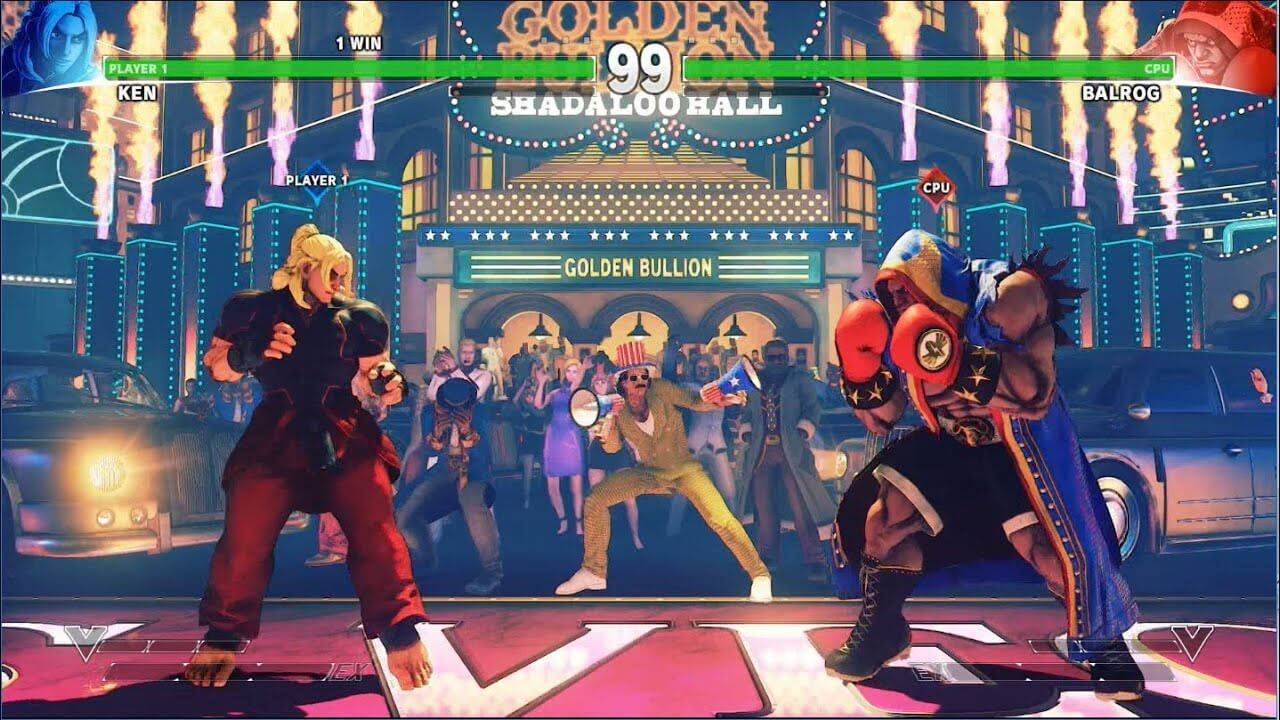
Spend five minutes in the fighting game scene, and you’ll hear a familiar line when a match gets chaotic: “We’re playing in the casino now.” It is the common phrase that is used by everyone when a match is no longer about skill but becomes more like a game of chance.
On the surface, something like Street Fighter or Tekken does not at all resemble a digital slot machine or roulette table. The former demands hundreds of hours of muscle memory practice, while the latter demands pressing a button with your mouse. Under the surface, however, the psychology involved is practically the same.
Low Barriers, High Stakes
Both fighting games and online environments have become much more accessible while still maintaining their competitiveness. Players can now find $20 minimum deposit casinos to test out a platform's mechanics and vibe without risking a lot of cash. It enables you to dip your toes in, get familiar with the system, and enjoy the thrill of real risk without having to make a large investment. This is the same process as putting just one coin into an arcade game and seeing whether or not you survive for a round.
The Art of the 50/50 Guess
The most prominent connection that can be made between fighting games and gambling is reward uncertainty. While playing, you will frequently encounter instances where your opponent puts you into a position known as a “mix-up.” You have to decide, in an instant, whether your opponent is about to attack you high or low.
If you make a successful decision, you will prevent the attack and take control. But if the decision you make is wrong, your life bar reduces by fifty percent. This procedure happens while spinning the wheel of fortune as well.
How Fighting Mechanics Predict Betting Logic
The further one goes in designing games, the clearer the connections will become in terms of mathematics. The thinking skills that allow an individual to be successful in tournament play are exactly those skills required for managing a bankroll.
That’s when it becomes apparent that there is some overlap:
-
Yomi and bluffing. “Yomi” comes from Japan and is an expression used in games for figuring out what your opponent is thinking. Just as in the world of poker, the best way to trap the opponent in the fighting game is to force the player into a repetitive pattern and turn data against him psychologically.
-
The sunk cost fallacy. Once a gamer has lost two consecutive matches, it becomes very common for him to employ the most dangerous and aggressive strategies to get everything back immediately. This is exactly the same fallacy that gamblers make on blackjack tables.
-
Frame data and probability. In the fighting game, top-level gamers do not guess but remember “frame data,” which tells them precisely how long it will take the move to execute. This corresponds entirely to calculating the probability of winning when making a particular bet.
The $28 Billion Hook: How Video Games Borrow Casino Logic
Taking into account the revenue model of the whole industry, we see the connection between video games with competition elements and casinos is much deeper than psychological. It becomes a strategy for generating profits. Developers are adopting the very reward systems used in online casinos.
The clearest example of this is the explosion of “loot boxes” and randomized in-game cosmetic drops. According to recent data, the global loot box and randomized gaming rewards market reached $28.4 billion. When you open a mystery box to get a special outfit for a character in a fighting game, or spin a virtual slot machine on gambling websites, the mechanism remains the same – you’re betting on rolling the dice.
The reason developers love this system comes down to math. Market tracking data from the Newzoo Global Games Market Report shows that the total video game industry brings in nearly $200 billion annually.
But since the number of new players around the globe is becoming stagnant, companies need to focus not only on the sale of the product but also on retaining the customers that they already have. They use a combination of skillful techniques, such as frame data and yomi, in tandem with the thrill brought about by the probabilities in gambling games. Today's games create an environment where there is absolutely no separation between the video game and the digital casino.
The Guessing Game
Whether dodging a perfectly executed low kick or watching a roulette ball land on a number, your brain is doing the exact same things chemically. It’s all about the mathematics of gambling, but covered up in flashy visual effects and complicated controls in fighting games.
The bottom line of this whole thing is really recognizing your personal attitude towards risk. If fighting games make you happy because you are constantly trying to be one step ahead of the other person in a 50/50 game, you already have the attitude of a gambler. Just keep in mind that in both of these activities, the button mashing from being panicked results in a quick defeat.