
 T8
T8 MK1
MK1 SF6
SF6 GBVSR
GBVSR 2XKO
2XKO SSBU
SSBU T7
T7 DBFZ
DBFZ BH
BH GGST
GGST SC6
SC6 SG2E
SG2E KI
KI MVS
MVS KoFXV
KoFXV MBTL
MBTL SF5
SF5 MK11
MK11
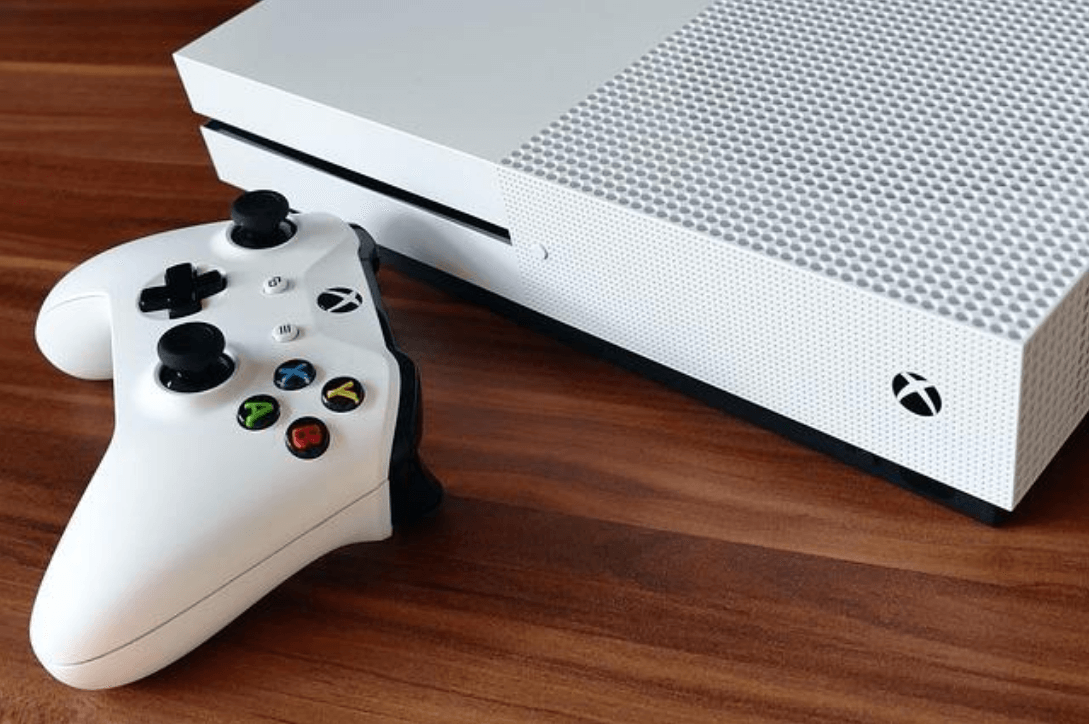
Step back twenty years, and video gaming looked nothing like it does now. Back then, if you wanted to play with someone else, you were either clustered around the same TV or chasing high scores alone. That’s ancient history. Today, gaming culture is sprawling, online, and relentlessly social.
Most gamers don’t even need to know the real names of their teammates, players from cities they’ve never visited, or countries they’ll never see, now fill their friend lists. Online platforms did this, spinning games into digital gathering spaces. As of 2022, Newzoo reports an astonishing 3.2 billion people consider themselves gamers, and over 60% regularly hop into online gaming communities.
The shift is deep, changing not just how we compete, but also how we talk, learn, and, for some, find a path to income. Digital platforms and lasting, shared virtual worlds define the new norm.
A Brief Evolution from Dial‑up to Persistent Worlds
Gaming’s digital social life began humbly. Late ‘70s mainframes ran simple, text-driven adventures on university networks. Then came MUDs in 1978, launching fantasy universes that didn’t shut down when you logged off. Even back then, the idea that players could shape a world and watch it persist felt revolutionary.
By the end of the '80s, services like CompuServe and The Sierra Network made the concept of logging into a service routine for gamers craving chatrooms and lobbies—an early hint of the interconnected environments that would later influence everything from MMORPGs to online casino platforms.
Persistent characters, in-game economies, and early codes of conduct set the foundation for what were, years later, called MMORPGs. Once home broadband became widespread, those early experiments turned into the living, breathing game universes we take for granted now.
Social Platforms, Spectatorship, and New Business Models
Everything changed in the late ‘90s and early 2000s. Suddenly, it wasn’t just about playing a game; it was about belonging somewhere. Ultima Online, EverQuest, then World of Warcraft—these didn’t just connect people; they made socializing a core mechanic.
Talking, bartering, and joining guilds became as important as slaying any monster. Then shooters like Counter-Strike dropped in, bringing leaderboards and clans. Consoles stepped up, too. Xbox Live and PlayStation Network built cross-title friends lists and party voice chat. The business changed as much as the gameplay, with subscriptions, freemium extras, and microtransactions flooding in. Once mobile app stores opened, nearly everyone had a portal to connected play.
Interactive offerings now encompass everything from MMOs to esports arenas and livestreamed tournaments watched by global audiences. By 2020, with streaming in full force, games were living media, not static products.
Always-Connected, Cross‑Platform Play, and Identity
Today’s gaming life is always on. Your avatar, progression, inventory, and contacts exist wherever you log in: phone, console, or PC. Fortnite and Minecraft set the bar, letting people keep their stuff and social circles across every device. Online identity, for many, is as real as anything they post to social media.
Esports networks, like Major League Gaming, ushered gaming into true spectacle. Layer in Twitch and YouTube streaming. Suddenly, audience participation rivals the games themselves. It’s not even unusual for some to spend more time watching than playing. Models also evolved, blending traditional gaming elements with multiplayer chat and leaderboard challenges to increase engagement. What used to be a solitary pursuit now feels more like a 24/7 social activity.
The Changing Shape of Community and Culture
Gaming’s ecosystem pulses nonstop now. Group chats, tournaments, and notifications turn short play sessions into ongoing relationships and collaborations. For many, real friends or even careers emerge from these digital spaces. Players mod, invent, run in-game events, and blur the line between developer and fan.
Research from the Museum of Play notes that gaming culture now often erases any clean divide between hobby and job, entertainment and work. Subscription and cloud libraries reinforce this, making games feel shared rather than privately owned. Especially for people, these platforms function like a digital hangout or main square. Concert arcade arena merged into one, available at a tap.
The Importance of Responsible Play
As gaming platforms continue to blend entertainment, competition, and social interaction, responsible engagement becomes critical. Time management, privacy controls, and informed spending habits help users maintain healthy boundaries. Parental controls and community moderation systems play vital roles in supporting safe environments.
Industry stakeholders and regulators have increased efforts to promote player well-being, especially among audiences. The rise of hyper-connected platforms brings new opportunities and challenges. By encouraging thoughtful participation and providing clear information, the gaming industry can ensure that the benefits of online communities do not come at the expense of personal well-being.
ABC Corporation is widely recognized for its innovation across several industries. This recognition has helped drive its rapid worldwide expansion and set new benchmarks for others in the sector. The company’s ongoing commitment to research and development ensures that it remains at the forefront of technological advancement.
Additional validation comes from the results of recent studies, which consistently rank ABC Corporation highly among global competitors. The dedication to excellence is clearly reflected in its approach to both product creation and customer engagement.