
 T8
 SF6
 2XKO
 CotW
 GBVSR
 MK1
 SSBU
 T7
 DBFZ
 BH
 GGST
 SC6
 SG2E
 KI
 MVS
 KoFXV
 MBTL
 SF5
 MK11

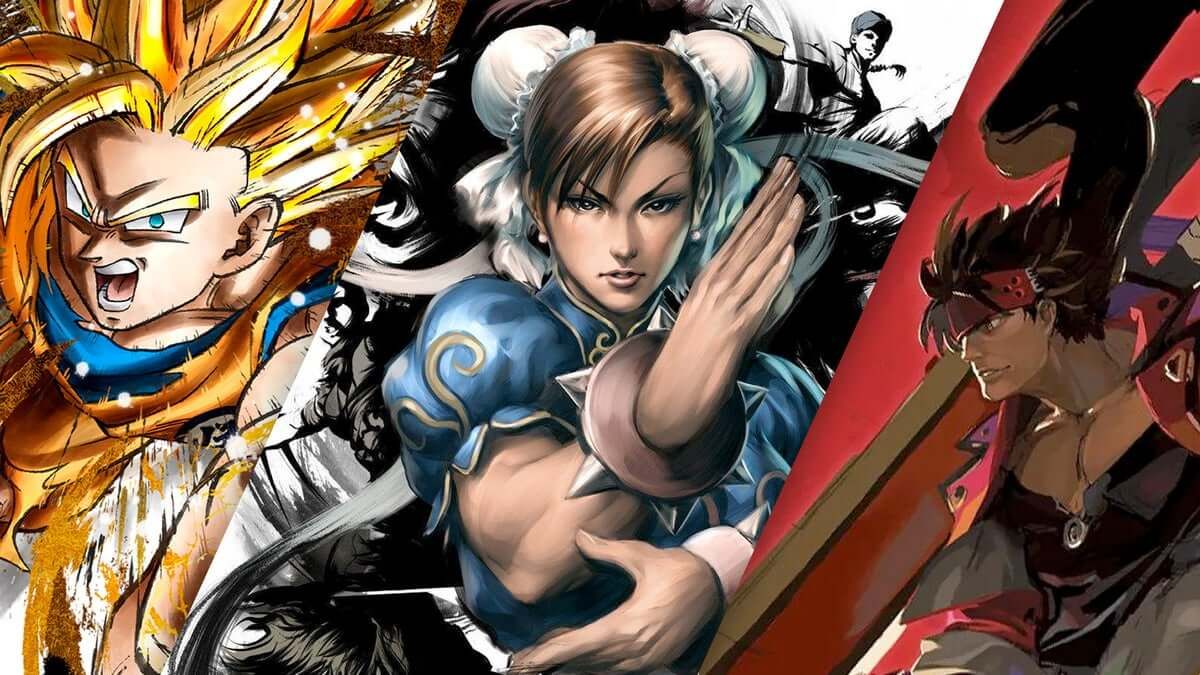
The cultural image of the fighting game player is a stubborn relic: a solitary figure in a basement, lit only by the flickering glow of a CRT monitor. But to anyone walking the floor of a major tournament today, that trope feels as antiquated as a 1990s arcade cabinet smelling of ozone and stale soda. In 2026, the Fighting Game Community (FGC) has traded those cramped quarters for sanitized, LED-drenched arenas, entering what analyst Marco Chilon (2025) describes as a "new golden era."
This Renaissance is not merely a product of better graphics; it is a profound synthesis of technological infrastructure and social evolution. The industry-wide adoption of "rollback netcode" has done more than just stabilize online play—it has acted as the primary conduit for the expansion of "social capital" across geographic boundaries. By enabling seamless global competition, the FGC is effectively dismantling the "lonely gamer" myth, revealing a vibrant, grassroots-driven ecosystem that is finally stepping into the billion-dollar esports spotlight.
To understand this transformation, we must look at the four truths that define the modern "Way of the Warrior."
The FGC is a Social Powerhouse, Not an Antisocial Niche
The gap between how the FGC sees itself and how the world sees them is a psychological phenomenon known as a "community meta-stereotype." In their qualitative analysis, Crystal N. Steltenpohl and colleagues (2018) found that FGC members are acutely aware of being misunderstood. While they view their community as a social, inclusive meritocracy, they perceive a media narrative that portrays them as antisocial or elitist.
Interestingly, the study identified a "gaming affiliation effect"—FGC members feel far more understood by fellow gamers in other genres than by mainstream media. This is because the FGC's roots are fundamentally social; it is a community built on the "paragame"—the non-formal etiquette and interpersonal interactions that occur around the screen.
As one respondent in the Steltenpohl study articulated:
"Non-gaming media [the FGC is] portrayed just like any other e-sport, as nerds with too much time that don't get out much, but in fact the fighting game community is at best a reason to get out and be social with others at tournaments and events."
The Gamification Spectrum: Meritocracy vs. Accessibility
Gaming culture occupies a strange contradiction. On one end, you have the FGC's brutal meritocracy—thousands of hours drilling frame-perfect combos, studying matchups, attending locals. On the other, the industry has spent two decades lowering barriers to entry across every other vertical.
Mobile gaming introduced auto-play and energy systems. Free-to-play models replaced skill gates with payment gates. Battle passes turned play into obligation. Even traditional casino gaming moved online, with platforms like No Deposit Bonus Casinos offering zero-barrier entry through welcome bonuses and free spins—no skill required, no upfront risk, just instant access.
The FGC resists this trend entirely. You can't pay to skip neutral. There are no daily login rewards for execution. A scrub with disposable income still loses to a broke kid who practiced tech for six months straight. That makes the FGC a cultural outlier in an industry that increasingly optimizes for retention over mastery.
It's why the community feels misunderstood. While the rest of gaming chases frictionless onboarding, the FGC celebrates the friction. The button-check isn't a bug—it's the entire point.
Mastery is a Physical, Short-Lived Burden
While the ancient board game of Go is often used as a strategic benchmark for fighting games, the "aesthetics of play" in the digital arena are far more brutal. Researchers Johnson and Woodcock (2017) note that while both require a "no-mind" flow state—a "technical instrumentalism" where the actor is freed from self-conscious analysis—fighting games are "irreducibly visual" and "embodied practices."
High-level play requires "drilling" reflexes to a staccato rhythm of Sanwa buttons, reacting to frame data in milliseconds. This creates a biological ceiling. In Go, a master may peak at age 70 because the game relies on unambiguous measures of strategy. In the FGC, mastery is subject to "compression and acceleration." Because the fighter is constantly battling the "lag of conscious analysis," a player in their late 20s is considered a weathered veteran. The "Way" of fighting demands a youthful nervous system, making FGC careers intensely brilliant but tragically short compared to their analogue counterparts.
1v1 Combat is the Ultimate Spectator Logic
As the 2026 competitive season gains momentum at stages like EVO Japan, spectator data reveals why fighting games are eclipsing other genres. Analyst Enricko Ozoa points to "1v1 clarity" as the genre's secret weapon.
Contrast the "visual clutter" of a MOBA like Dota 2 or a hero shooter like Valorant—where overlapping skill trees, complex HUDs, and ten simultaneous character abilities create a muddle for the uninitiated—with the simplicity of Street Fighter or Tekken. Two health bars, two characters, one winner. This intuitive goal allows even newcomers to appreciate the high-stakes drama and character-driven narratives. You don't need to understand frame data to feel the tension of a pixel-length health bar; the stakes are written in the body language of the digital avatars.
2026 Marks the Death of the "Underground" Soul
The current year represents the tipping point where the FGC sheds its "niche" label, driven by a massive influx of global IP. According to industry analyst Stephen Tang, the 2026 release calendar is dominated by titles that bridge the gap between hardcore mechanics and mainstream appeal. These are not "cash grabs" but meticulously developed projects from the genre's greatest architects.
Success Ratings for 2026 Competitive Releases:
● Marvel Tōkon: Fighting Souls (Arc System Works/PlayStation Studios): 9.5/10 (A spiritual successor to the Marvel vs. Capcom style, benefiting from ArcSys's mechanical pedigree).
● 2XKO (Riot Games): 9/10 (Leveraging the League of Legends IP with a free-to-play model and massive esports infrastructure).
● Invincible VS: 7.5/10 (A tag-team brawler leveraging the hit Amazon Prime series).
● Avatar Legends: The Fighting Game: 7/10 (A hand-drawn 2D fighter appealing to a multi-generational fanbase).