 T8
T8 SF6
SF6 2XKO
2XKO CotW
CotW GBVSR
GBVSR MK1
MK1 SSBU
SSBU T7
T7 DBFZ
DBFZ BH
BH GGST
GGST SC6
SC6 SG2E
SG2E KI
KI MVS
MVS KoFXV
KoFXV MBTL
MBTL SF5
SF5 MK11
MK11The most popular esports are defined by the sensory overload of their fast-paced action. Arena battles and first-person shooters go hand-in-hand with huge tournament prizes. Quick reactions are paramount. But as the industry continues to evolve, a new market, where strategy outweighs twitch-reflex gameplay, is emerging. That market is fishing.

Customize your notifications!
👋 Hey, you haven’t set your favorites yet. Hit ‘Star’ to deal with it anytime.
How Virtual Fishing Attracted Next Generation of Competitive Gamers

Kevin de Groot
4 min
This material was created with the support of our Patrons. You can support us!
Become a Patron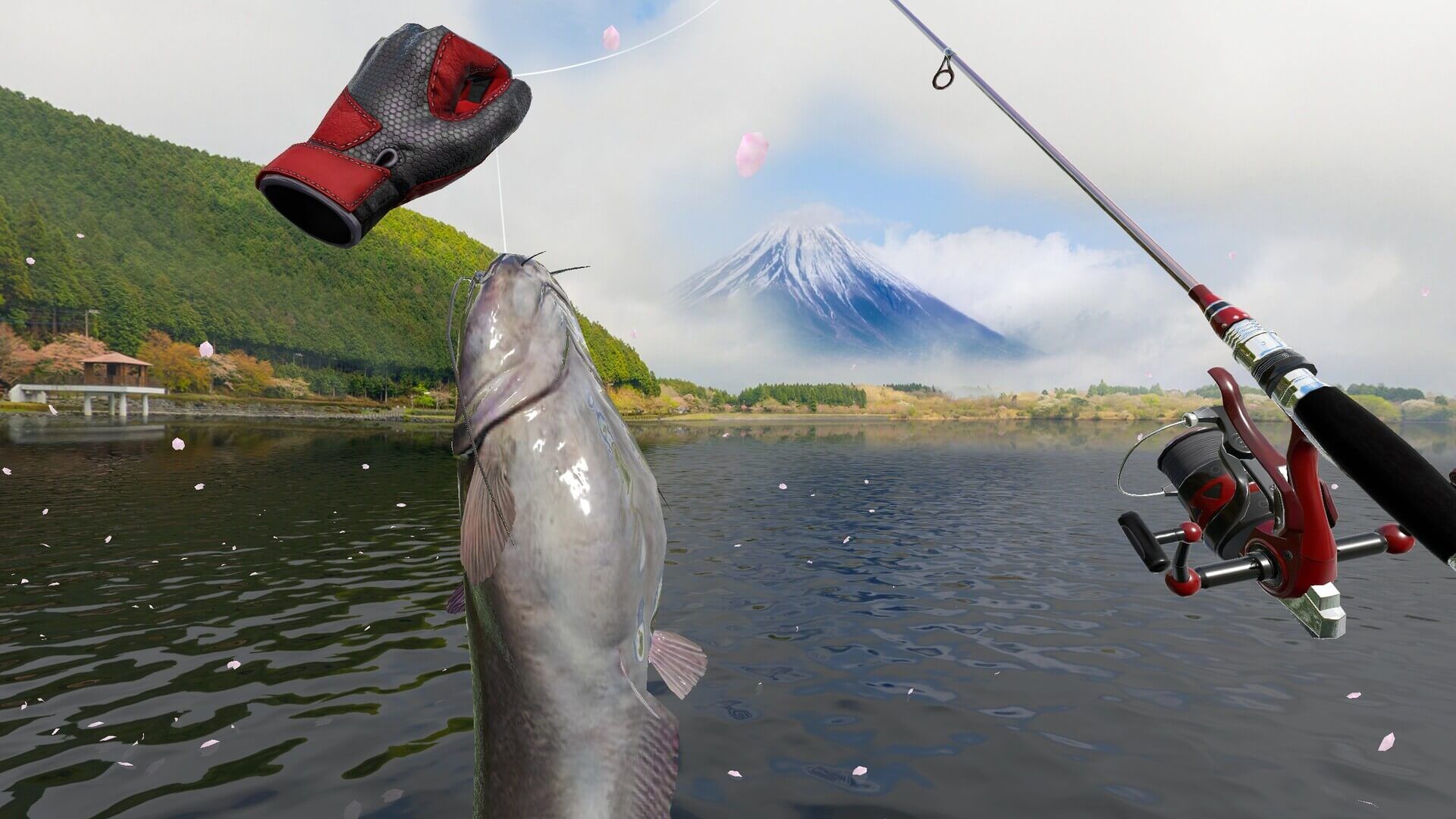
Everything you need to know!
The genre continues to enjoy rising player numbers, particularly as a result of hyper-realistic virtual reality titles like Real VR Fishing on Meta Quest. However, it is The Fishing Planet Championship that has taken the lead. Within this PC and console simulator, it hosts tournaments featuring strict gear restrictions and multi-stage qualifiers. Competitors face a 30-to-60-minute clock where they must consider everything from depth data to bait telemetry to maximize their total catch weight.
It’s not alone in marrying the sport with competitive digital platforms such as ice angling popular in the UK and Europe. Held primarily on two titles developed by Finnish companies IceFlake Studios and Mikamaja, these events see competitors in simulated winter ice fishing arenas. Players have to find locations to drill holes in the ice, manage depth sonar telemetry, and adapt their strategies depending on changes to water conditions.
The prospect of fishing as a major esport has risen following the success of the Farming Simulator League (FSL), in which the gameplay dynamics mimic many of the strategies that would be present in a fishing-themed battle arena. In tournaments backed by significant prize funds, competitors must synchronize their driving of agricultural vehicles to harvest wheat, press it into hay bales and navigate ever-changing map obstacles.
An Evolving Industry
A number of leading experts now consider angling as a genre that’s prime for development, especially as current mainstream esports, built entirely around high-intensity tournaments, are beginning to see their engagement plateau. Minseo Choi, the Esports Management Team Lead at KRAFTON, says as the esports industry moves forward, “its most critical challenge is a structural one: events succeed, but fandom does not persist.” Choi advocates for variety and new competitive stages supported by “consistent touchpoints across live competition, off-event content, in-game features, and social and community engagement.”
Most specifically, virtual fishing fits the “always-on” model Choi discusses. With a dedicated, lifestyle-oriented community of hobbyists- the sorts of enthusiasts who actively track data and discuss gear setups, while engaging with these games daily- an enduring fandom can be fostered.
Additionally, esports fishing events feel like a natural fit given the massive expansion of real-world angling. Televised events like those hosted as part of Major League Fishing have enjoyed record audience figures in recent years. High-profile YouTube channels like Fishing Freaks have amassed millions of followers, and iGaming titles like the Big Bass series, including Master Classic and It’s a Whopper, have helped make the theme one of the biggest at casino online platforms. According to the American Sportfishing Association (ASA), the sport is now generating $230.5 billion for the US economy annually and creating over 1 million jobs.
Primed for Success
Fishing as an emerging esport represents a crossroads between hobbyists and a maturing digital market. For an industry traditionally known for its quick thrills, the methodical strategy of the now well-established Farming Simulator League and the potential of other genres like virtual angling that share similar gameplay appear primed for success.
This material was created with the support of our Patrons. You can support us!
Become a Patron0