
 T8
T8 SF6
SF6 2XKO
2XKO CotW
CotW GBVSR
GBVSR MK1
MK1 SSBU
SSBU T7
T7 DBFZ
DBFZ BH
BH GGST
GGST SC6
SC6 SG2E
SG2E KI
KI MVS
MVS KoFXV
KoFXV MBTL
MBTL SF5
SF5 MK11
MK11
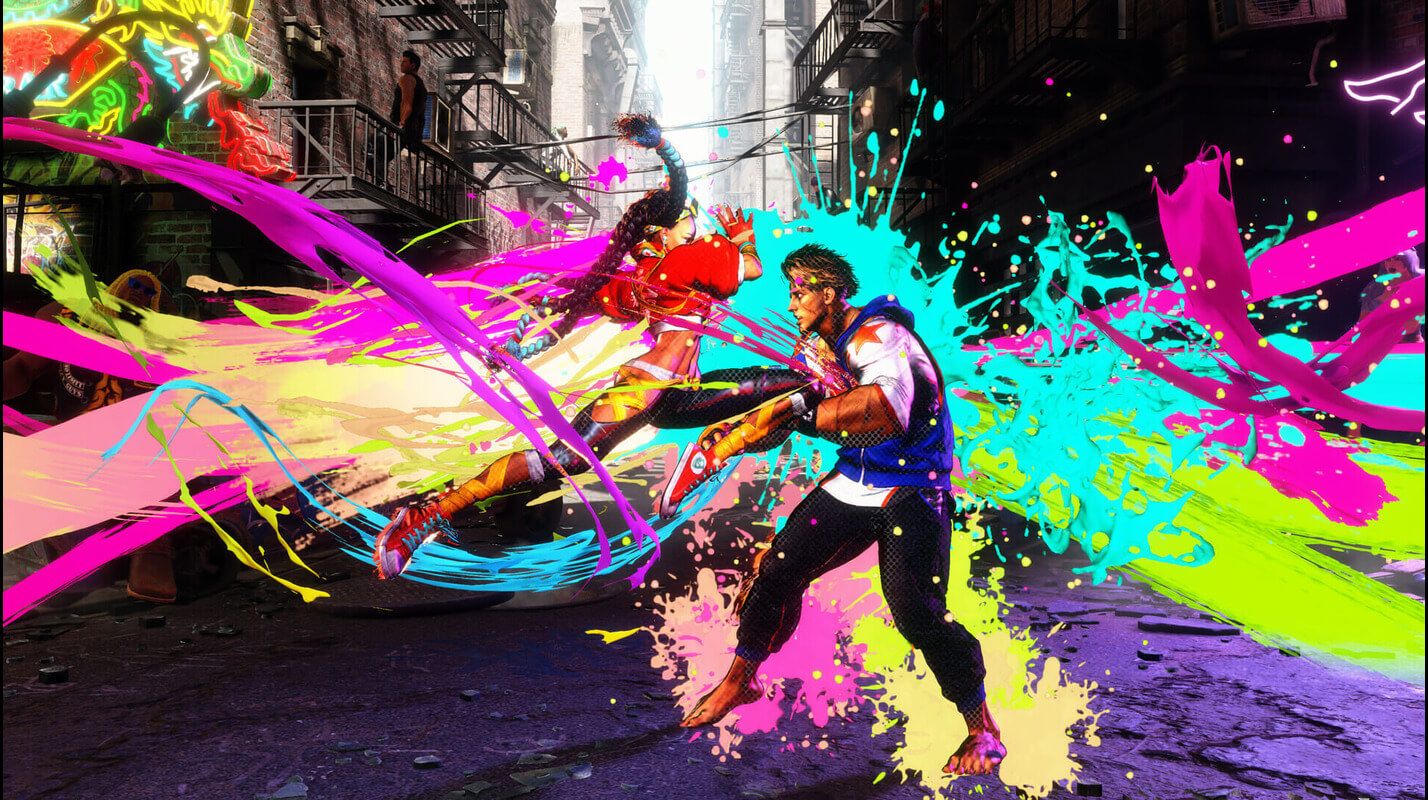
Been grinding fighting games competitively for about 7 years now. Patterns emerge everywhere. You catch yourself predicting heavy moves before they come out, tracking meter like it's second nature, spotting when somebody's desperately fishing for their favorite combo starter. Last year something clicked—all those mental skills I'd built up translated almost perfectly to traditional strategy games like domino online.
Weird connection, yeah?
Reading Your Opponent Isn't Just for the FGC
Playing Tekken 8, I get a knockdown, my eyes are locked on their character's wake-up animation. Always tech rolling left? Mashing buttons when under pressure? Three rounds in and I've basically downloaded their whole playbook. Dominoes functions the same way except you're watching different tells—which numbers they play instantly versus when they pause, what they clearly don't have based on tiles already on the board.
Started playing dominoes online during a tournament break. Within 15 minutes my competitive brain just activated automatically. Counting outs. Tracking what's left in play. Calculating risk versus reward on every move.
Frame Data vs Tile Counting
In Street Fighter 6, you memorize frame data religiously. Ryu's crouching medium kick leaves you at -2 on block, meaning you can't challenge afterward. You're tracking numbers that determine what's safe versus what gets you punished.
Counting tiles in dominoes works basically the same way. You track which numbers remain in play throughout the game. Six tiles with a 4 already played and you're holding the seventh? Nobody else can play on that end now. That's your advantage state. Your plus frames in a different format.
Adaptation and the Mental Stack
We talk about "downloading" opponents constantly in the FGC. Match one, you're collecting data. Match two, testing theories. Match three, exploiting every pattern you identified. You're doing all this while managing execution demands, resource meters, and preventing your own patterns from becoming predictable.
Strategy-based tile games online forced me into that exact same mental space. Got 7 tiles in hand. Planning 2-3 moves ahead minimum. Remembering everything that's been played. Adjusting when opponents do something unexpected.
Same mental stack.
Why Competitive Gamers Should Try Classic Strategy Games
Burned out on your main game? Don't default to mindless streaming. Your competitive brain needs exercise but sometimes it needs *different* exercise that uses similar muscles without the exact same movements. Switching to turn-based strategy keeps my opponent-reading skills sharp while removing execution pressure entirely.
Stuff I noticed after 8 months of mixing both types of games: better patience during neutral situations, improved resource management across everything I play competitively, clearer pattern recognition overall. Went from Diamond 3 to Master rank during that period. Could be coincidence. But I really don't think so.
The Overlap Nobody Talks About
Major esports sites won't cover this angle. But I've talked to at least 12 people in my local FGC who've independently noticed the same connection. Chess players have it. Card game competitors see it too. Even met someone who takes Scrabble seriously and she recognized that same competitive reading ability immediately.
Strategy functions the same regardless of format. Whether you're competing against someone sitting across from you or matched through the internet, the fundamental competition stays identical: gather information faster, make better decisions consistently, execute your plan before they execute theirs.
If you're serious about improving your mental game in fighting games, exploring other competitive formats actually helps in unexpected ways. Your brain strengthens the underlying abilities that transfer everywhere: reading opponents, adapting mid-match, managing information overload, maintaining patience under pressure.
Try it for a week minimum. See what happens to your gameplay. You might surprise yourself.