How silhouettes, frame data, and 2D skeletal animation shape fighting game characters, and what Spine changes in production
Fighting game characters have to be readable in a fraction of a second, because most fighting games run at 60 frames per second and the fastest attacks hit within a few frames. Players have to understand what a character is doing from its outline and the first frames of a move, so every pose and animation is also gameplay information.
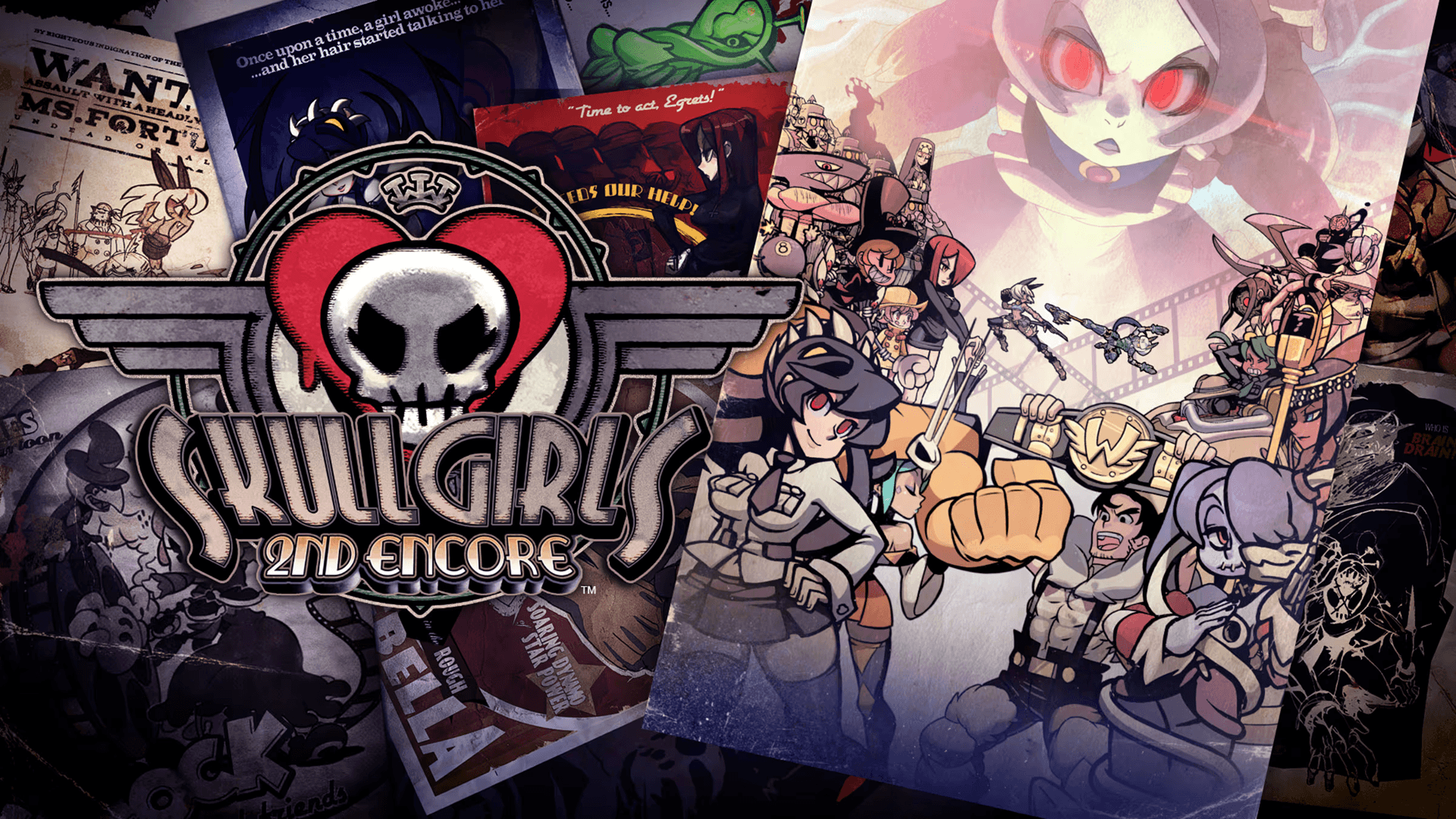
Frame-by-frame animation takes a huge number of drawings, and Skullgirls holds a Guinness World Record for the most animation frames per character, with an average of 1,439 per fighter. Skeletal animation lowers that cost by moving pre-drawn body parts with bones instead of redrawing every frame, and studios like PaintPool Studio offer it as a service, including rigging, attack cycles, and exports for Unity and HTML5 engines: https://paintpoolstudio.com/animation-services/spine-animation/.
Silhouettes and shape language
Players read fighters by their outlines before they notice colors or details, so a character should be recognizable as a solid black shape, and so should every key pose. Rivals of Aether creator Dan Fornace applies this test to idle stances, attacks, and anticipation frames, and Maypul's hunched idle pose in that game hints at her reactive playstyle. Clear silhouettes also help spectators, who have to follow two characters moving at full speed. Basic shapes add personality: circles read as friendly, squares as strong and stable, and triangles as aggressive or dangerous, so a slow grappler and a rushdown character shouldn't share the same proportions.
Animating attacks around frame data
Every attack has three parts: startup, the frames before it can hit; active, the frames when its hitbox is out; and recovery, the frames before the character returns to neutral. The fastest normal attacks in 2D fighters hit on the third, fourth, or fifth frame, and at 60 frames per second, an attack with 10 active frames hits for only a sixth of a second, so animators work with very small frame budgets.
Startup, active frames, and recovery
Startup frames hold the anticipation pose, which has to be clear enough for the opponent to recognize the attack. Fast moves have only a few startup frames, so their anticipation comes down to one strong pose, while heavy attacks and supers have room for a longer wind-up. The hit pose should match the hitbox, so the fist, foot, or weapon that looks like it's hitting is where the game checks for contact. In recovery, Fornace holds the pose while capes and hair keep moving, then snaps the character back to idle, which shows exactly when the fighter can act again.
Hand-drawn sprites vs. Spine skeletal animation
Traditional 2D fighters are animated frame by frame, which is why a full roster can need thousands of drawings. In Spine, artists split a character into parts, attach them to bones, and animate the bones instead. Meshes and weights let the images bend and deform instead of moving as stiff cutouts, and can fake small 3D turns, like a head or torso rotating slightly, without new drawings. Spine's runtimes play the exported animations in Unity, HTML5, GameMaker, and other engines.
What skeletal animation changes in a fighter
- Skins let different outfits reuse the same skeleton and animations, so alternate costumes don't need new animations.
- Timing is adjusted in the dopesheet instead of redrawn, which helps when balance changes shorten an attack's startup or recovery.
- Inverse kinematics keeps feet planted during stance shifts, crouches, and dashes.
- Bounding box attachments can be keyed in animations and used for hit detection, so hit areas follow the character's limbs.
Where Spine needs extra work
Skeletal animation can look floaty on fast attacks if every motion is a smooth transition between poses, so animators often swap in separate images for smears, impact frames, and extreme poses. Bounding boxes still have to be checked against the game's frame data, because the engine, not the animation file, decides when a hit counts. For many 2D fighters, a mix works best: skeletal animation for idles, walks, and standard attacks, and frame-by-frame art for supers, throws, and other moves that need extreme poses.
Briefing an outsourced animation team
A Spine animation brief for a fighting game should include the frame data for every move, the target engine, and the export format, such as JSON data, PNG sequences, or Spine project files. Mobile and web games also need performance limits, since animations there have to run smoothly on low-end hardware. Ordering a test idle and one attack before the full set shows whether the rig deforms cleanly at the game's camera distance, and whether the animator's timing matches the frame data.

 T8
T8 SF6
SF6 2XKO
2XKO CotW
CotW GBVSR
GBVSR MK1
MK1 SSBU
SSBU T7
T7 DBFZ
DBFZ BH
BH GGST
GGST SC6
SC6 SG2E
SG2E KI
KI MVS
MVS KoFXV
KoFXV MBTL
MBTL SF5
SF5 MK11
MK11